Please read our frequently asked questions to find out more.
Collapsible rowWhat is the best 3D printer for beginners?
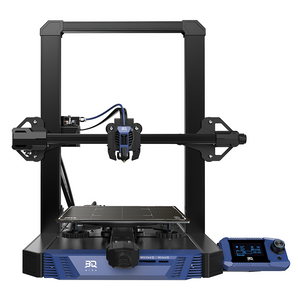
FDM 3D printers are generally a good choice for beginners because they are easy to use, relatively affordable, and suitable for a wide range of projects. If you're new to 3D printing, the BIQU B1 is a good starting point for learning the basics. For those who want to explore more advanced features, the BIQU Hurakan offers built-in Klipper firmware and automatic bed leveling to make printing more convenient.
What is the difference between FDM and resin 3D printers?
FDM 3D printers melt and deposit filament layer by layer, making them ideal for functional parts, prototypes, and larger prints. Resin 3D printers use UV light to cure liquid resin, producing finer details and smoother surfaces but requiring additional cleaning and curing. BIQU offers both FDM and resin 3D printers to suit different printing needs.
How do I choose the right 3D printer for my needs?
Start by considering what you want to print, your budget, and how much space you have. If you're making everyday objects or functional parts, an FDM printer is usually a good choice. For miniatures or models with intricate details, a resin printer may be a better fit. You should also consider build volume, material compatibility, and maintenance requirements before making your decision.
Do resin 3D prints need washing and curing?
Yes. Most standard resin 3D prints need to be washed and post-cured after printing. Washing removes uncured liquid resin from the model's surface, while additional UV curing helps the printed part reach its intended material properties. BIQU LCD resin printers, including the PIXEL L and PISCES, use photocuring technology and require appropriate post-processing. Always follow the resin manufacturer's washing and curing instructions, wear suitable protective gloves, and handle uncured resin and cleaning waste carefully.
Is 3D printing safe to use at home?
3D printing can be used at home when appropriate safety precautions are followed. Place your printer on a stable, heat-resistant surface in a well-ventilated area, and avoid touching hot nozzles or heated beds during operation. FDM printing can release particles and fumes, while resin printing requires additional precautions due to potential exposure to liquid resin and chemical vapors. For resin printers, use suitable protective equipment, provide effective ventilation, and follow the material manufacturer's safety guidelines.